
Screens and sleep in children: how blue light affects them before bedtime


Nowadays, many children use tablets, computers, or televisions at some point during the day. Although these tools are part of everyday life, exposure toscreens at night can affect rest if the type of light they are exposed to is not taken into account.
One of the most important factors is blue light, a wavelength present in digital devices and many modern LED lights.
What is blue light?
Blue light is part of the visible spectrum and occurs naturally in sunlight. During the day, it is beneficial because it helps keep us alert and regulates our biological clock.
The problem arises when we continue to receive large amounts of blue light at night, especially through screens.
How it can affect children's sleep
When the brain detects intense blue light at night, it may interpret that it is still daytime. This can interfere with the production of melatonin, the hormone that helps prepare the body for sleep.
For this reason, many experts recommend:
-
Eliminate screen time before bedtime
-
Use warm lighting at night
-
Maintain relaxing bedtime routines
What to do if children use screens at night
In some cases, it is difficult to completely avoid exposure to screens at night. This can happen during travel, leisure time, or specific situations.
In these cases, certain strategies can be applied:
-
reduce the brightness of devices
-
use warm lighting at home
-
limit usage time
-
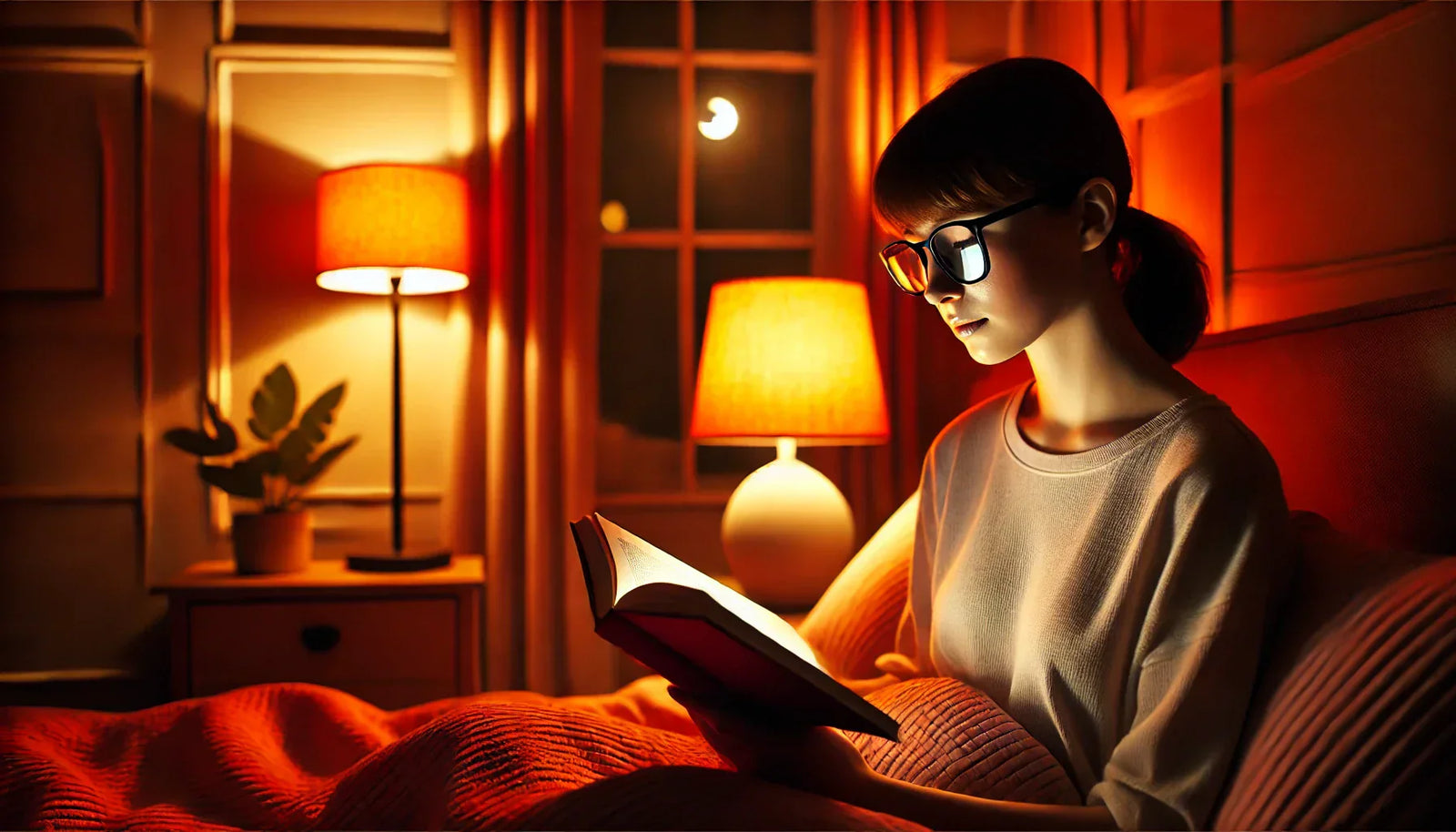
wear glasses designed to reduce blue light at night
Blue light glasses for children for nighttimeare designed precisely for those moments when there is exposure to artificial light after sunset.
Screens during the day
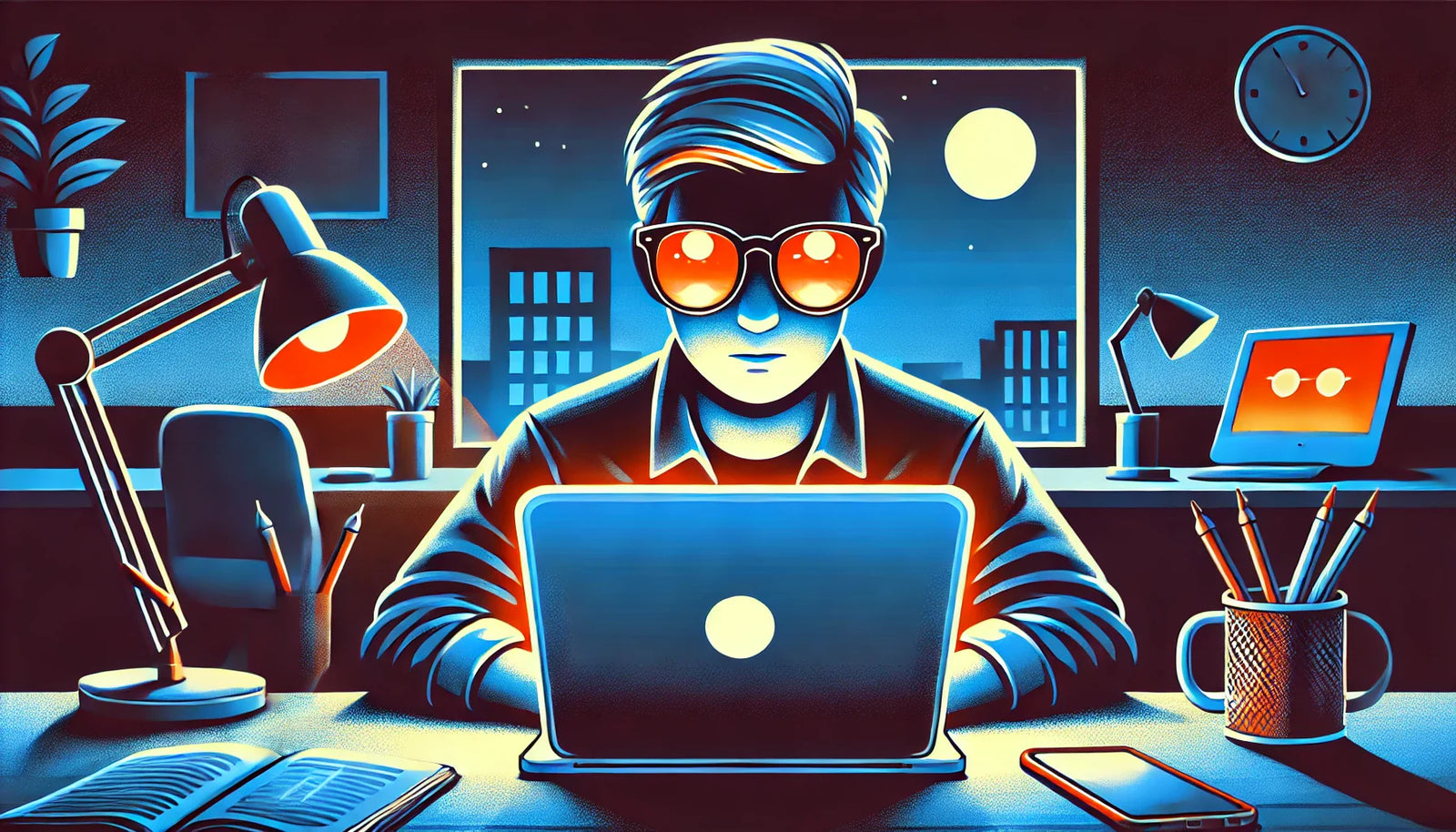
During the day, the focus is different. Many children use computers or tablets to study or do homework, which can cause eye strain after long periods in front of the screen.
For these situations, there areblue light glasses for children designed for screens, which help improve visual comfort during digital activities.
A balanced approach
Screens are part of modern life, but small adjustments to the lighting environment can make a big difference.
Promoting warm lighting at night, maintaining relaxing bedtime routines, and protecting children's eyes from prolonged exposure to artificial light can help create an environment that is more respectful of their natural rhythms.
See full article


Blue light at night: the hidden enemy of your sleep and well-being
We live in a world where artificial light surrounds us at all hours. From cell phone and computer screens to LED lighting in our homes, exposure to blue light has become constant. However, when night falls, this light can become a silent enemy to our health.