



Screens and sleep in children: how blue light affects them before bedtime
Screens emit blue light that can affect children's rest when used at night. Discover how it affects sleep and what measures can help reduce its impact.


Blue light at night: the hidden enemy of your sleep and well-being
We live in a world where artificial light surrounds us at all hours. From cell phone and computer screens to LED lighting in our homes, exposure to blue light has become constant. However, when night falls, this light can become a silent enemy to our health.
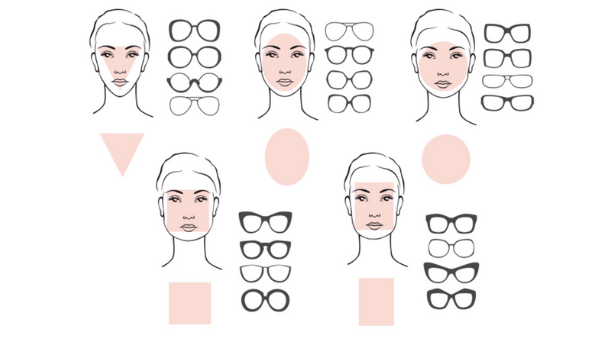
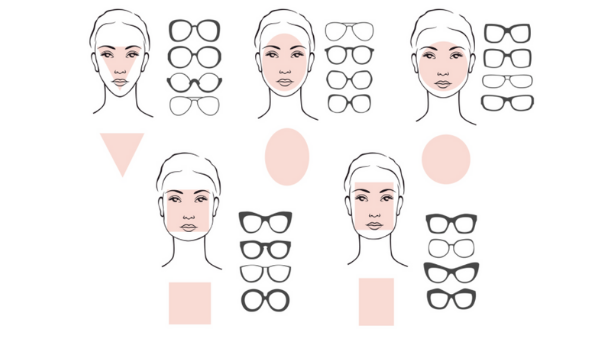
How to choose your ideal pair of glasses?
Choosing the right pair of glasses can be a difficult and complicated task. If the eyes are the windows to the soul, glasses are the beautiful lenses and frames that surround them. So, sometimes it seems like we're going to get lost among the millions of options for frames, lenses, and shapes on the market.
The increase in the use of digital devices during the pandemic
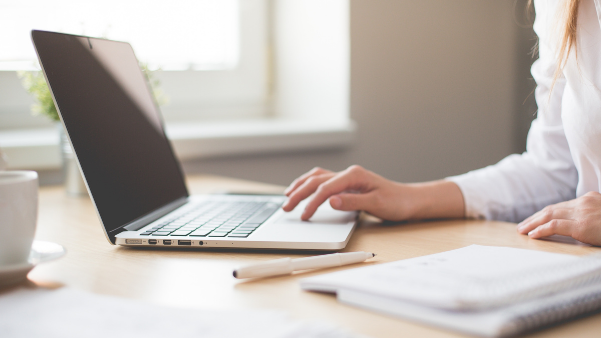
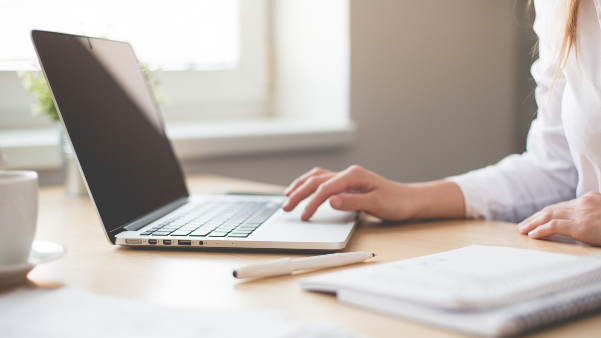
The pandemic has changed our lives. We now go out less, wash our hands more, and perhaps appreciate more what surrounds us, from our loved ones to clean air, space, and tranquility. We have changed; some will argue for the better, others for the worse.
5 TIPS for creating your workspace
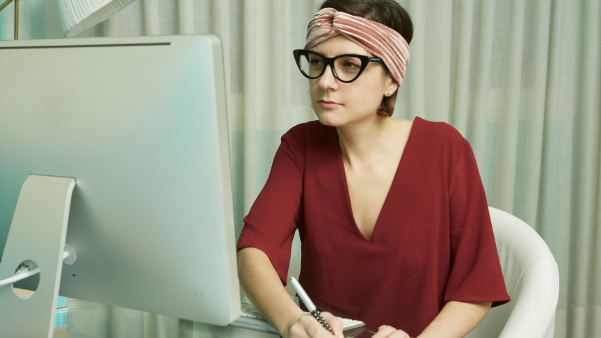
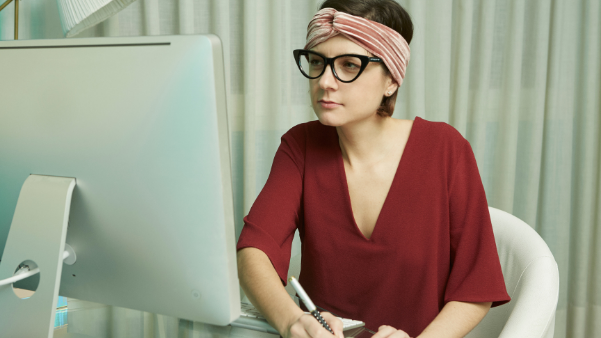
If this health crisis has made one thing clear, it is that our homes can become much more than just places to sleep or watch Netflix until the wee hours of the night.
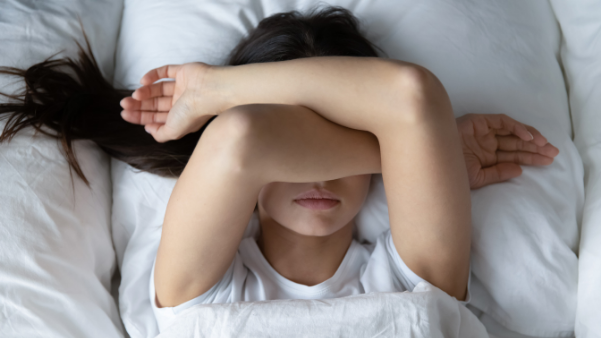
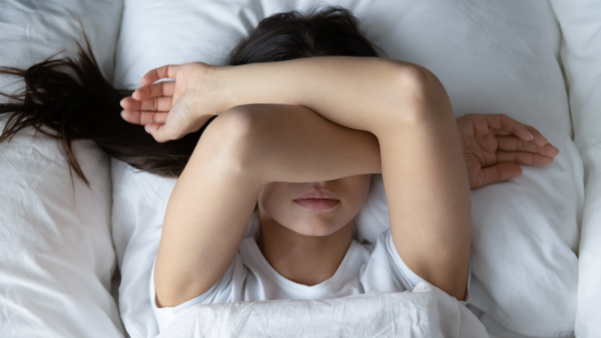
The consequences of poor sleep
We all have bad nights when we toss and turn in bed without being able to sleep. Whether it's because we have a problem on our minds or some inexplicable mystery, we've all experienced sleepless nights. But sometimes this inability to fall asleep can become a pattern in our daily lives, or rather, our nightly lives.
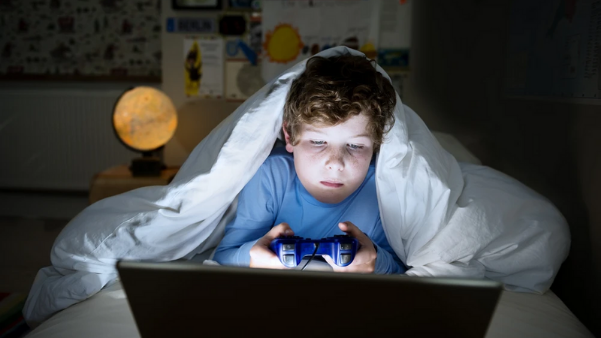
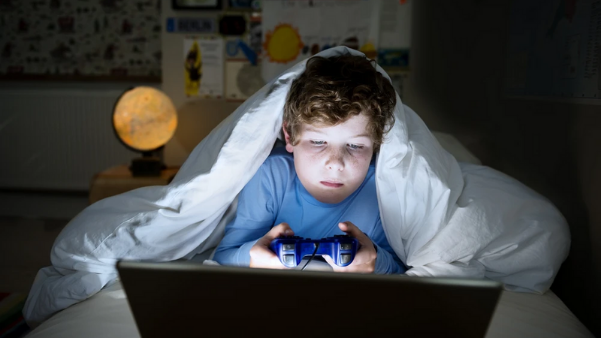
The use of video games among young children
One of the most recurring topics discussed by everyone from parents to child psychologists is the impact of video games on children's health.
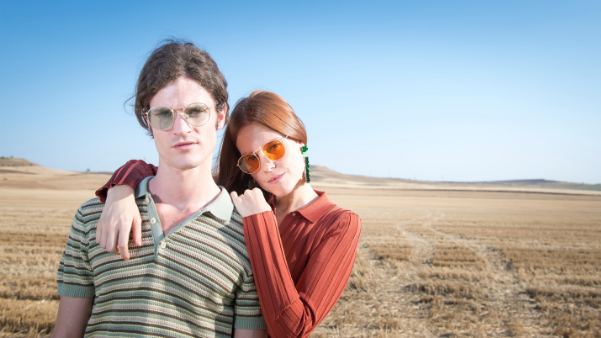
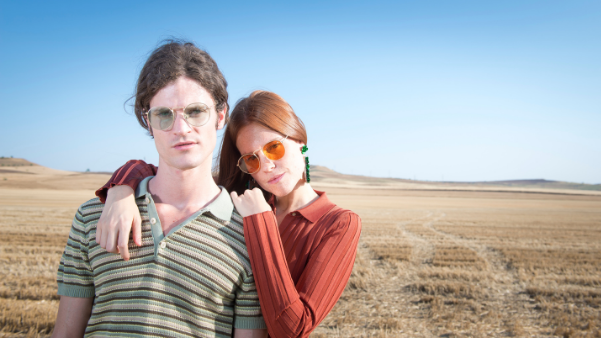
The color of your life: Chromotherapy.
We all have a favorite color, a color that makes us feel calm and happy, a color we dislike, a color that stresses us out, and, let's be honest, colors that make us go "arggggg" when we see them. But colors can go beyond personal taste and actually help your mood.
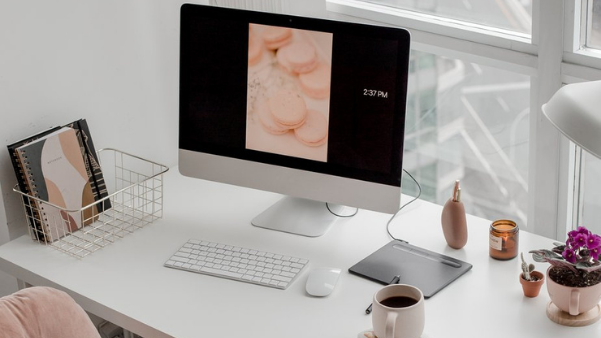
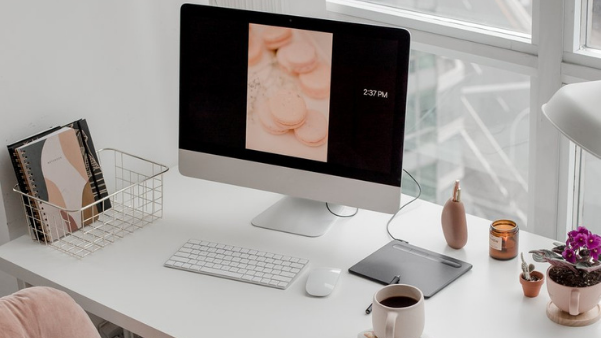
Mental health in times of COVID
A little over a year ago, the COVID-19 pandemic changed the way we understand the world, social relationships, and, of course, work.
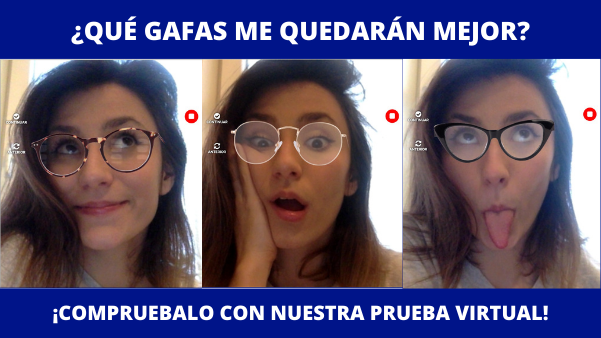
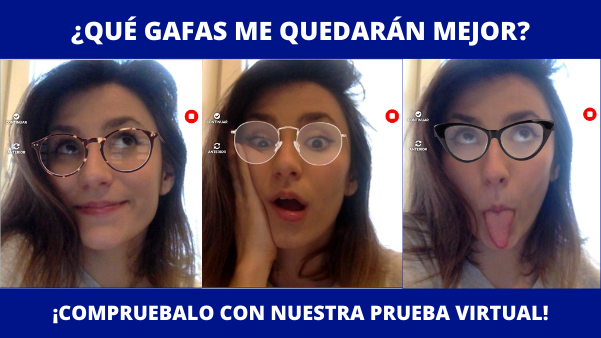
Our online virtual eyewear try-on tool
We assume you've already seen it, but just in case you missed it, Apricotte choosing your glasses easy and convenient thanks to its virtual try-on feature.
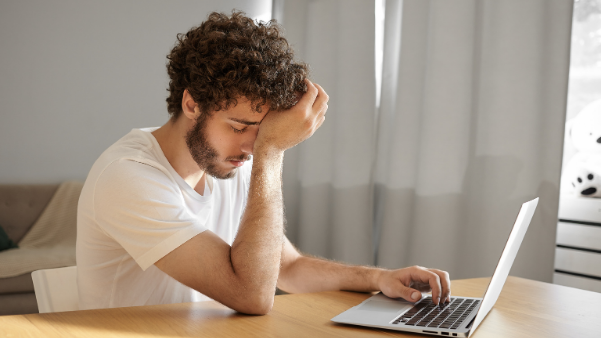
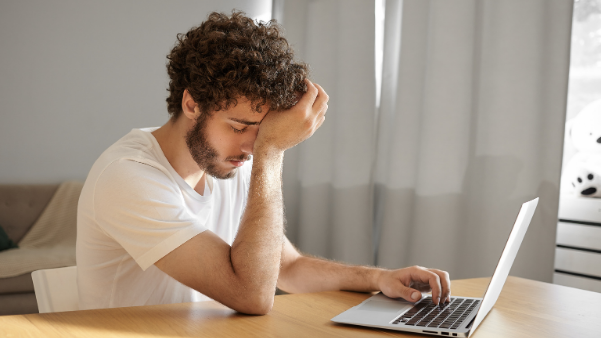
Zoom Fatigue
Working from home has many benefits. You avoid traffic, public transportation at 7 a.m., and, let's face it, working in your pajamas is sometimes a big plus. However, psychologists and doctors have come together to discuss "Zoom Fatigue."