
Sleeping well during the pandemic
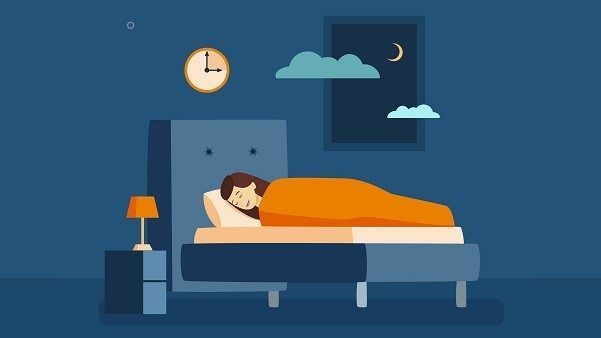
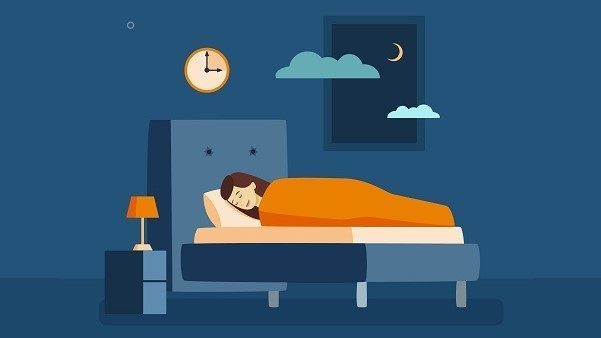
The pandemic has put us to the test. Countless articles have been written about the dangers of remote working, stress levels, and screen loneliness. The term "Zoom exhaustion" has even been coined. All this stress has taken its toll. For example, 52% of Americans say they have more difficulty sleeping and staying asleep at night.
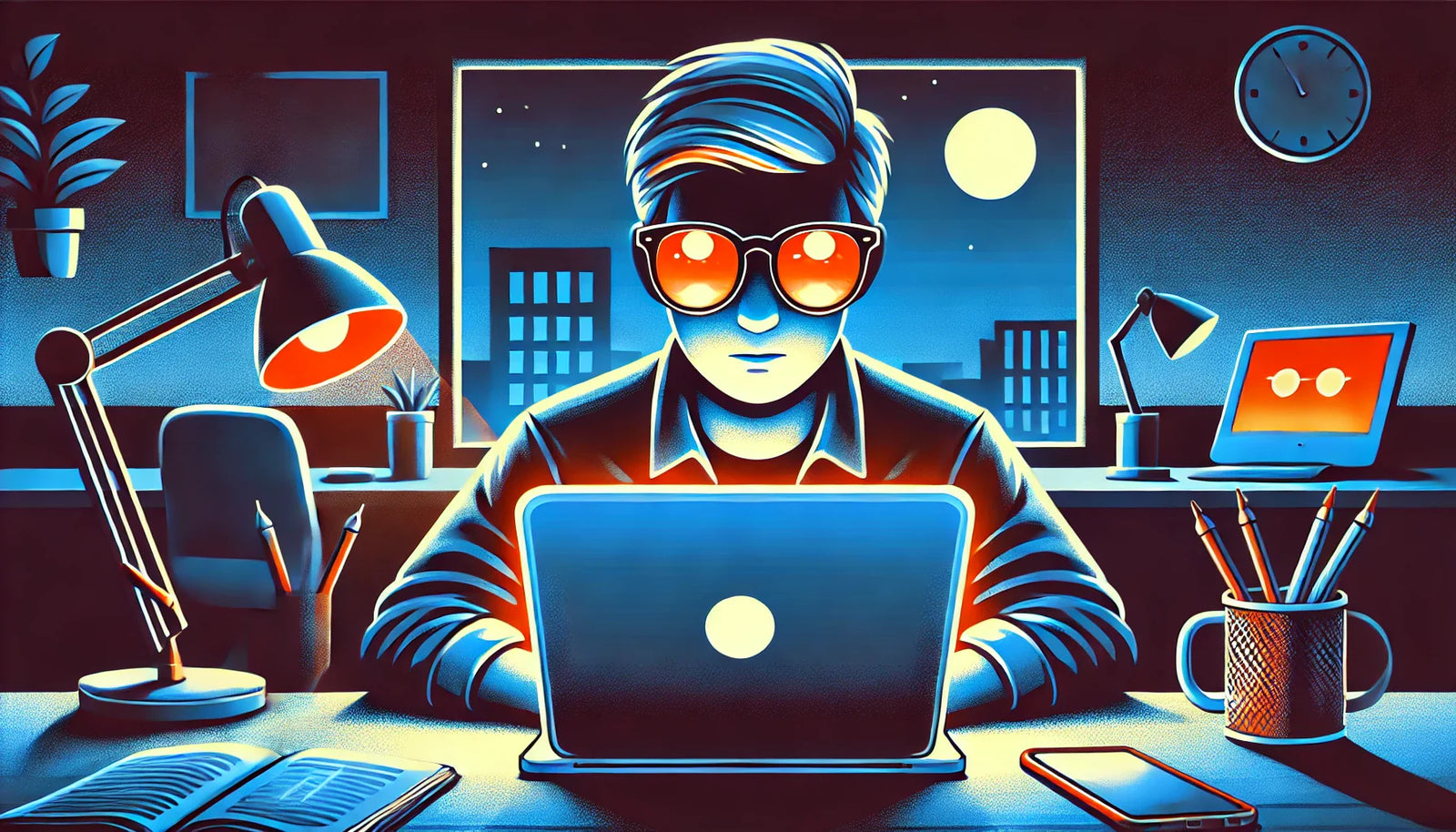
During the months of quarantine and now that teleworking has become a reality for most workers, the amount of time we spend exposed to screens has increased considerably. A recent study by the National Sleep Foundation has shown that the brightness emitted by electronic devices, the famous blue light, suppresses melatonin and interferes with the sleep cycle (although our loyal readers already knew this).
Research is also being conducted to find ways to solve this overexposure to blue light has also increased. The new study by Journal of Applied Psychologypoints to blue light blocking glasses as a key factor in preventing melatonin levels from dropping and thus maintaining a healthy sleep cycle. This study mentions the "circadian rhythm," oscillations of biological variables at regular intervals of , in other words, the process that regulates the wake-sleep cycle and repeats approximately every 24 hours.
But not only that, also the use of blue light glasses is correlated with improved productivity at work and organizational attitude, reducing counterproductive work by allowing us to concentrate better. According to Cristiano Guarana of the Indiana University Kelley School of Business, " exposure to blue light should also be a concern for companies if they want to increase the well-being of their employees."
See full article


Blue light at night: the hidden enemy of your sleep and well-being
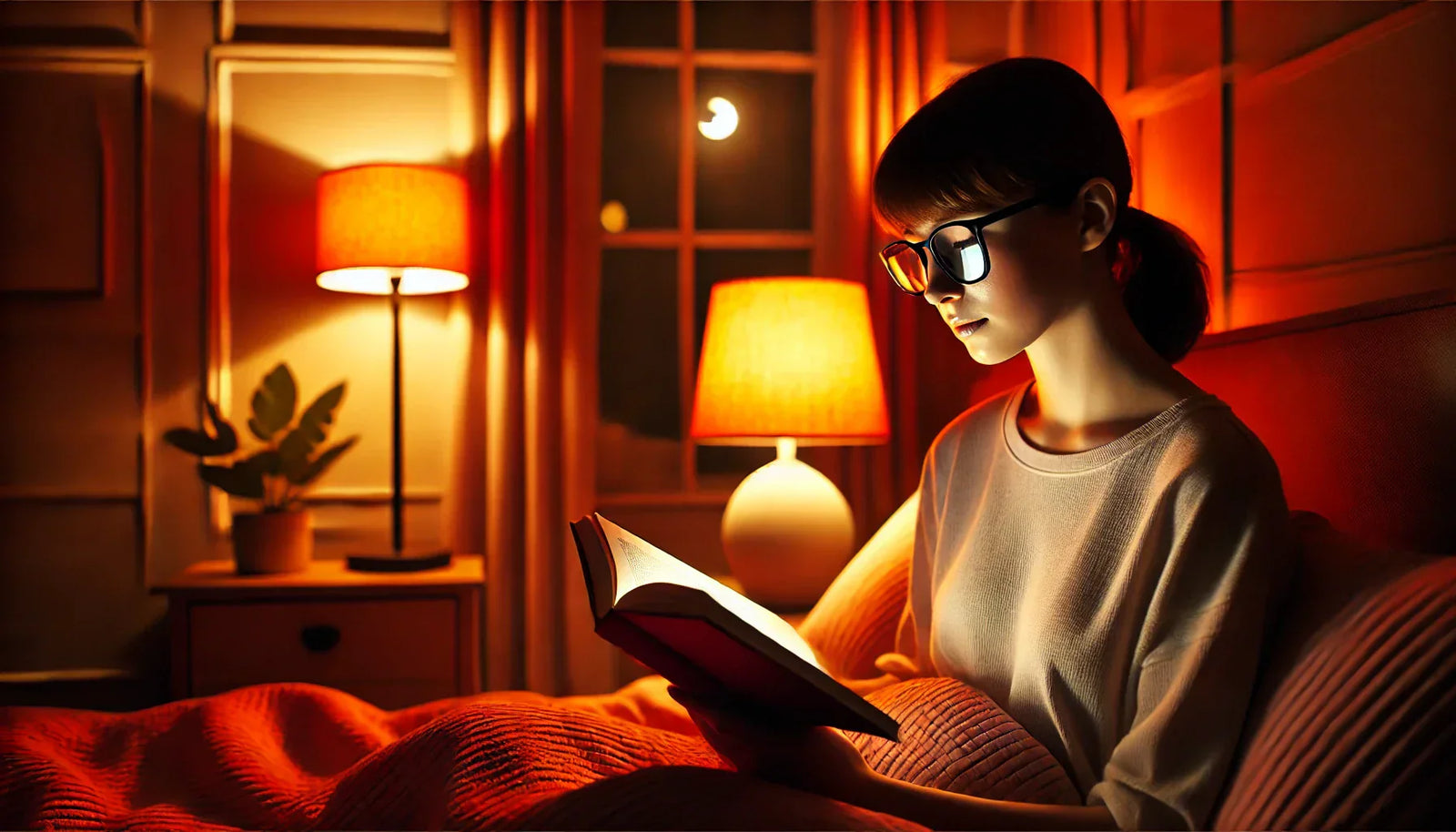
We live in a world where artificial light surrounds us at all hours. From cell phone and computer screens to LED lighting in our homes, exposure to blue light has become constant. However, when night falls, this light can become a silent enemy to our health.