

Mental health in times of COVID
A little over a year ago, the COVID-19 pandemic changed the way we understand the world, social relationships, and, of course, work.
With the sudden change from going to the office, taking the subway, and enduring rush hour, perhaps the switch to working from home has been a relief for many. But experts warn us of the danger this may pose to our mental health.
Beyond concerns about productivity and corporate culture, the mental health of employees working alone at home is one of the main issues that may make people want to return to the office. According to Yasuhiro Kotera, chief counselor, psychologist, and psychotherapist at the University of Derby, "What is unique at this moment is that employees are forced to work from home," says Kotera. "That leads to higher levels of stress, loneliness, depression, and anxiety; substance abuse has also increased."
Although certain aspects of this problem are unsolvable, such as casual conversations between colleagues or small talk, which account for a third of adult communication, there are some simple things companies can do to ensure that their employees working from home do not take a nosedive. Some innovative companies are taking advantage of this opportunity to build trust in the workplace, and employee trust in the company is really important for maintaining a good working environment both from the office and from home.
If you feel that your mental health is at stake, don't hesitate to seek help from both your family and friends and a professional.
Advice in times of Covid
Our team has been researching some tips to make your life at home easier, and here they are:
1. Follow a healthy diet
A healthy diet is one that emphasizes nutritious foods such as fruits, vegetables, whole grains, and low-fat dairy products.
2. Stay hydrated
Drinking enough fluids is essential to prevent dehydration, a condition that can lead to constipation and mood swings, according to the CDC Trusted Source.
Water is the best choice of beverage, but moderate amounts of coffee and tea are also acceptable. It is best to avoid sugary drinks such as soft drinks, energy drinks, and fruit drinks.
3. Exercise regularly
Exercise has both physical and psychological benefits. For example, you can use the time you would have spent commuting to the office to exercise, and now that spring is here, don't hesitate to get outdoors!
4. Set up your home office for optimal posture and comfort
Setting up your home office in a way that promotes good posture canprevent back pain. The CDC describes the ideal office chair as one with armrests and a seat height that allows the feet to rest flat on the floor. A person's hips and knees should be at a 90-degree angle or slightly higher. A person may want to invest in a chair that supports the curve of the lower back.
5. Get enough sleep
We will never tire of saying it: Sleep is vital for good performance, both at work and in your personal life. We know that worries, stress, and blue light can wreak havoc on your sleep cycle. That's why now, more than ever, it's crucial to focus on getting good quality sleep. We recommend our collection of Biohackers glasses glasses that will improve the quality of your sleep.
6. Maintain a daily routine
Follow a daily routine outside of work, as this can help reduce feelings of stress. This routine includes going to bed and getting up in the morning at the same time every day.
7. It's okay not to be okay
Mental health can be stigmatized, and sometimes it can be difficult to communicate to others and ourselves that we are going through difficulties. That is why it is important to always remember that each and every one of us goes through periods where we need help.
Now, all that’s left is to tell you that at Apricotte Blue Light Blocking Glasses, we hope you take good care of yourself and don’t forget the importance of your mental health. And remember, we hope you are W.E.L
See full article


Screens and sleep in children: how blue light affects them before bedtime
Screens emit blue light that can affect children's rest when used at night. Discover how it affects sleep and what measures can help reduce its impact.


Blue light at night: the hidden enemy of your sleep and well-being
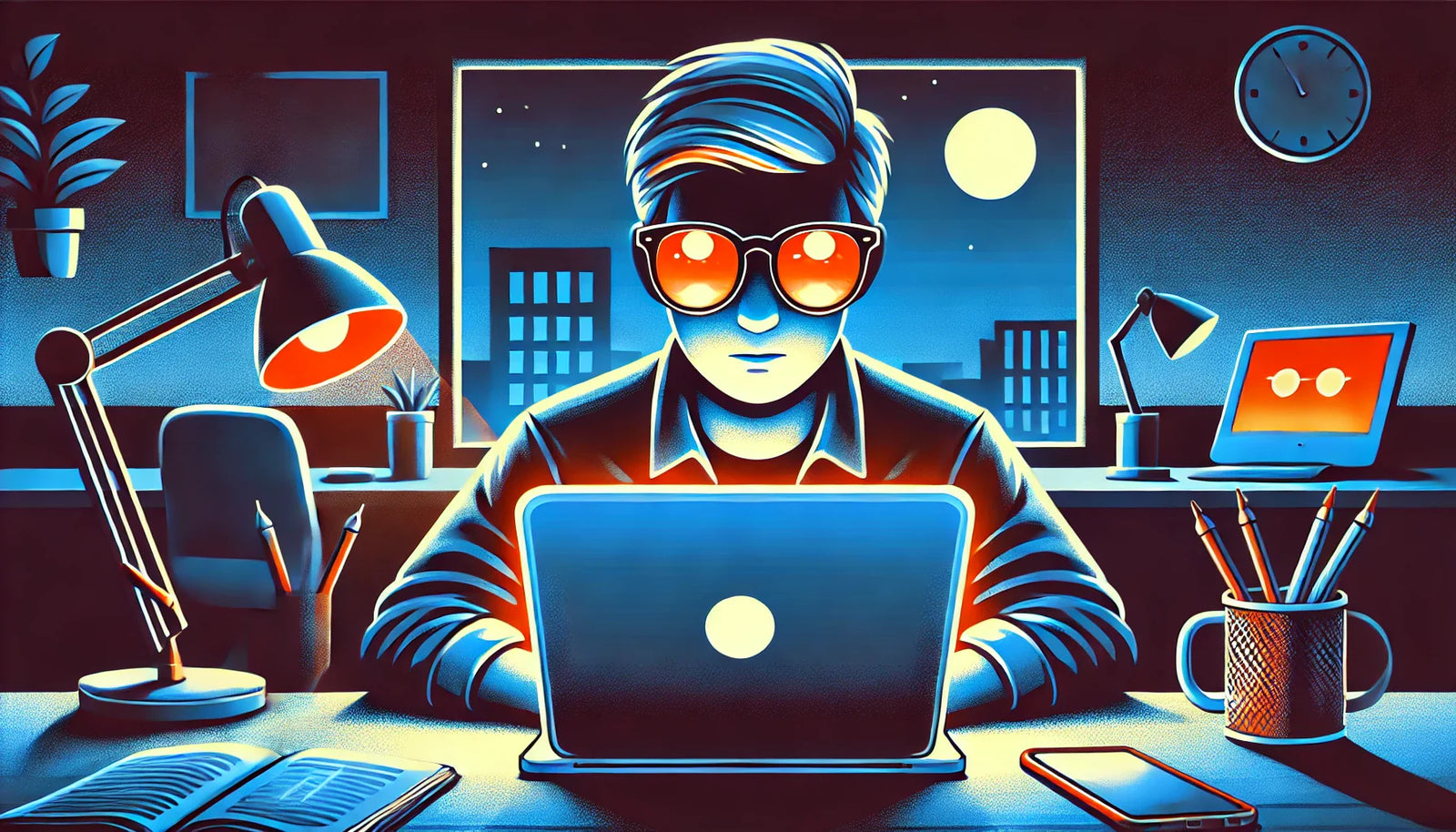
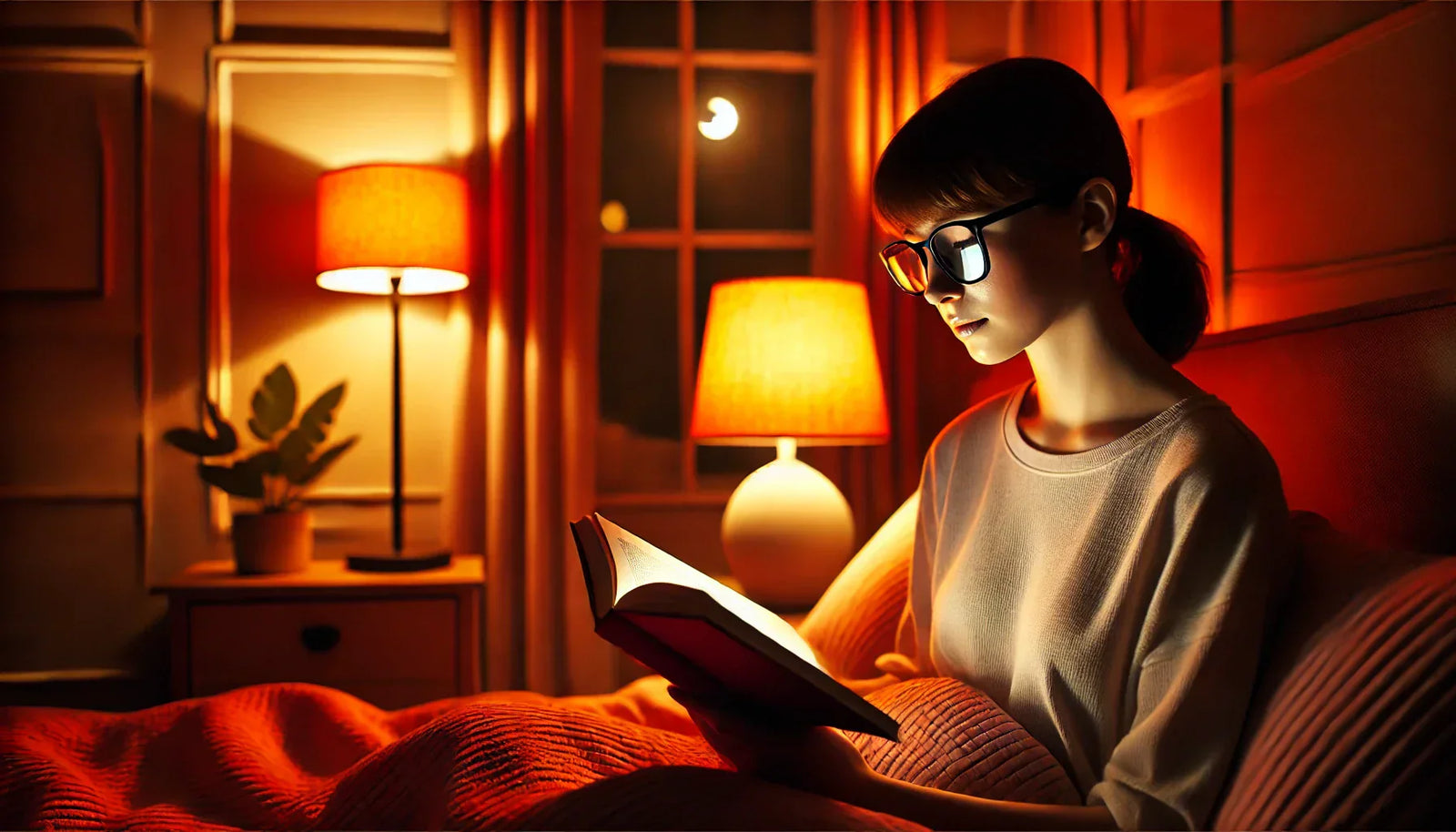
We live in a world where artificial light surrounds us at all hours. From cell phone and computer screens to LED lighting in our homes, exposure to blue light has become constant. However, when night falls, this light can become a silent enemy to our health.