

The consequences of poor sleep
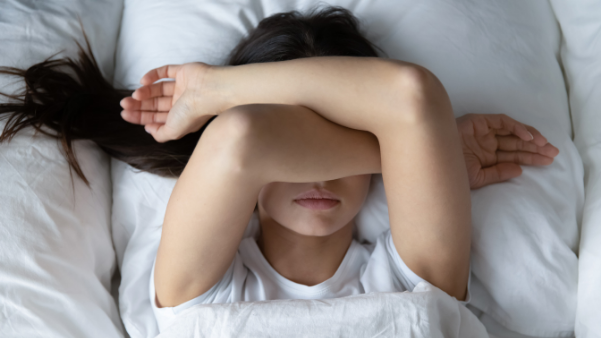
We all have bad nights when we toss and turn in bed without being able to sleep. Whether it's because we have a problem on our minds or some inexplicable mystery, we've all had sleepless nights. But sometimes this inability to fall asleep can become a pattern in our daily lives, or rather, our nightly lives. One in three people suffer from sleep deprivation, and stress, computers, and taking work home are often blamed. At a time when the line between our place of rest and our work is becoming increasingly blurred, it is not surprising to see how sleep deprivation is increasing every day in our societies.
Effects of poor sleep
The most well-known effects of sleep deprivation are irritability and lack of productivity, but continued sleep deprivation has serious repercussions for our physical and mental health. Here are some of the effects that poor sleep can cause:
-
Lower physical performance
We have all experienced the reluctance to get out of bed after a sleepless night, but the physical effects go beyond that. Every night, the process of tissue regeneration takes place, both in the brain and in the body. If we do not rest, there is no opportunity for proper recovery, which can lead to long-term muscle problems.
-
Limited cognitive ability
The effects of sleep deprivation impair attention span. They also affect memory recall and learning. Our brain is a constantly functioning machine, but it needs to reduce activity levels and regenerate itself. Sleep deprivation prevents this crucial process, causing our cognitive abilities to decline in the long term.
-
Heart disease
Prolonged sleep deprivation appears to be associated with an increase in heart rate, higher blood pressure, and higher levels of certain chemicals related to inflammation, which can put additional strain on the heart.
-
Poor diet
A study by the Royal Society for Public Health (RSPH) links lack of sleep to poor dietary habits and consequent weight gain. Similarly, according to a 2015 study conducted by a group of researchers in Qatar, poor sleep increases appetite and insulin resistance.
Studies have suggested that people who consistently sleep less than 5 hours per night are at greater risk of developing diabetes. It appears that a lack of deep sleep can lead to type 2 diabetes by changing the way the body processes glucose, which the body uses for energy.
-
Mental health issues
Given that a single night of insomnia can leave you feeling irritable and moody the next day, it's no surprise that chronic sleep deprivation can lead to long-term mood disorders such as depression and anxiety. The RSPH surveyed a group of patients with depression and anxiety-related problems. The study found that most participants suffering from these conditions slept less than 6 hours a day.
But how many hours of sleep do we need? Most of us need about 8 hours of quality sleep to function properly, but some need more and others less. The important thing is to find out how much sleep you need and try to get it. It seems obvious, but as a general rule, if you wake up tired and spend the day wishing you could take a nap, you're probably not getting enough sleep.
According to the UK's National Health Service (NHS), there is a very simple way to break these patterns of poor sleep, and you're going to love the solution: sleep more!
If you don't get enough sleep, there's only one way to make up for it: sleep more. It won't happen just by sleeping more one night. If you've had months of restricted sleep, you'll have accumulated a significant sleep debt, so expect recovery to take several weeks. Starting this weekend, try adding one or two extra hours of sleep per night. To do this, go to bed when you're tired and let your body wake you up in the morning (no alarm clocks allowed!). At first, aim for more than 10 hours of sleep per night. After a while, the amount of time will gradually decrease to a normal level.
If you are unable to sleep well or your sleep is not restful during this process, your body's melatonin levels may be out of balance. As experts in blue light, we recommend limiting your exposure to screens and protecting your eyesight while using them with our Blue Light Blocking Glasses, or, better yet, with Biohackers Sleep Glasses, helping the melatonin release in a natural way and helping to balance our circadian cycles.
See full article


Screens and sleep in children: how blue light affects them before bedtime
Screens emit blue light that can affect children's rest when used at night. Discover how it affects sleep and what measures can help reduce its impact.


Blue light at night: the hidden enemy of your sleep and well-being
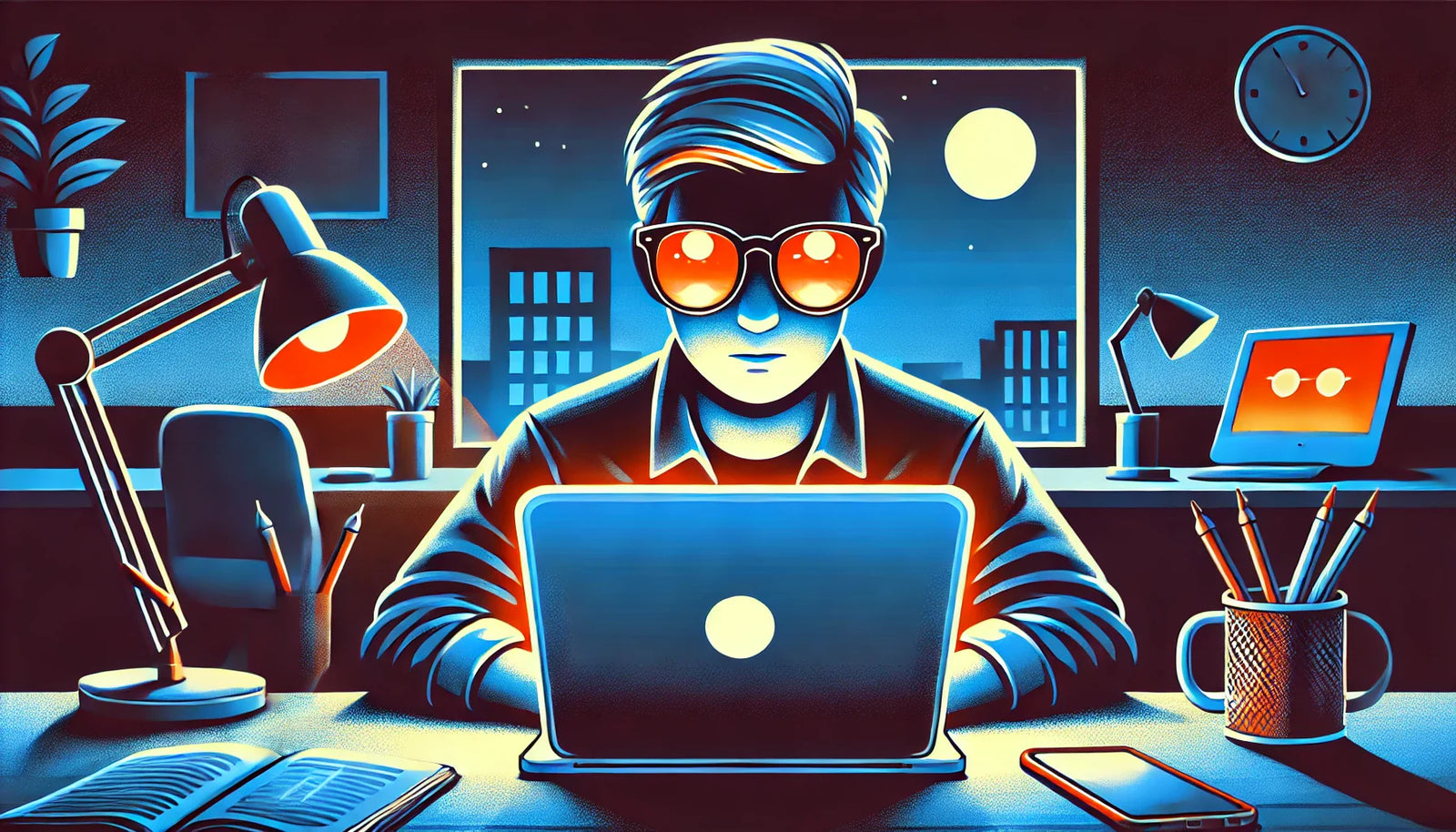
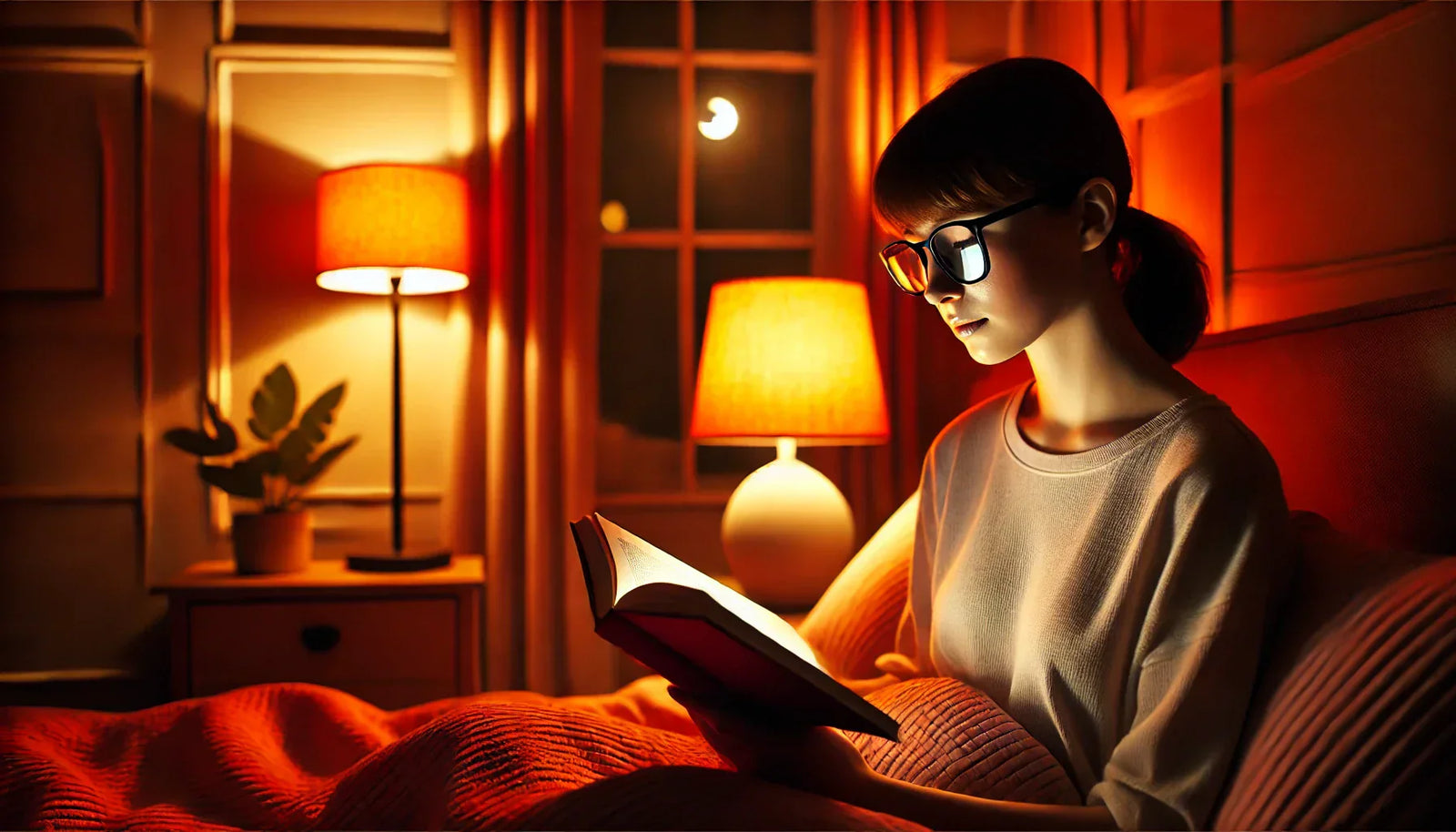
We live in a world where artificial light surrounds us at all hours. From cell phone and computer screens to LED lighting in our homes, exposure to blue light has become constant. However, when night falls, this light can become a silent enemy to our health.