

Are your children spending too much time in front of screens?
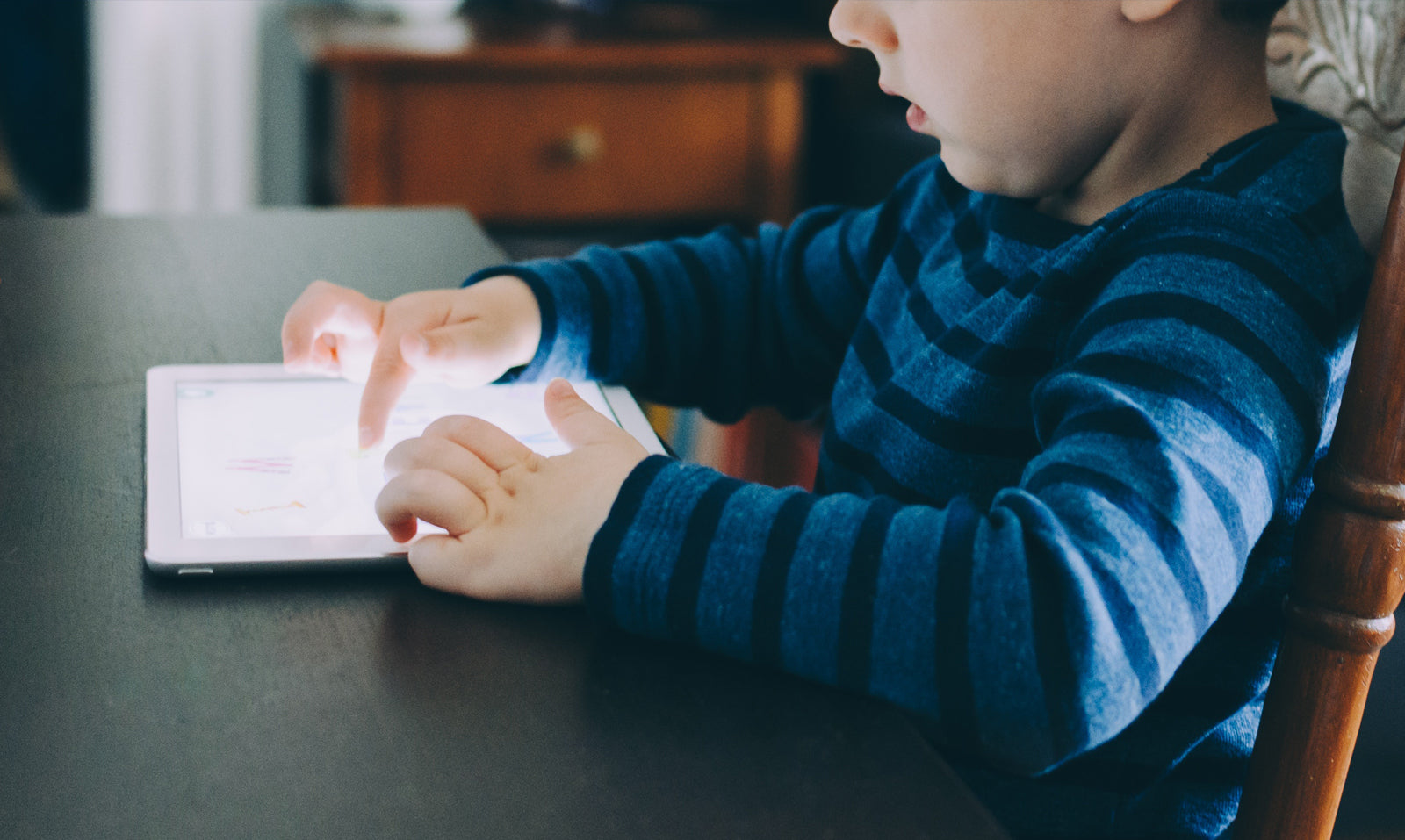

The World Health Organization has published new guidelines to follow, and parents with young children should take note!
According to the WHO, children under the age of five should reduce their screen time, sleep more hours, and spend more time playing actively if they want to grow up healthy.
The study states that the younger the child, the more serious the consequences. In fact, babies under one year old should not spend any time in front of electronic device screens in a sedentary manner, such as sitting and watching television or playing games on a cell phone. For children aged three to four, sedentary screen time should be limited to less than one hour per day.

"Early childhood is a period of rapid development and a time when family lifestyle patterns should be adapted to improve the health benefits of the whole family," said WHO Director-General Dr. Tedros Adhanom Ghebreyesus. And with 80% of adolescents worldwide not being physically active enough, the long-term effects of not correcting this could lead to serious consequences.
On the contrary, if healthy habits are established from birth, less screen time and more physical activity and more hours of sleep will almost certainly continue in this way through adolescence and into adulthood. These patterns will strengthen not only physical health, but also mental health.
HOW TO PUT IT INTO PRACTICE
Okay, you understand the new guidelines and they make sense. But how can you apply them to your daily life? The secret is to find an easy way to apply these tips without putting too much strain on your family.
- Try to establish "active play" time in your children's routine. Instead of sedentary pastimes such as watching a movie, playing video games, or playing with their cell phones, get your children used to more active games such as reading, storytelling, singing, or doing puzzles. These forms of interactive play are crucial for child development according to WHO guidelines.
- And when the time comes for your children to spend some time in front of screens, protect their eyes from the harmful effects of blue light with blue light blocking glasses for children. This will not only help prevent'computer vision syndrome', but will also significantly reduce the melatonin-suppressing effects of blue light, which causes sleep disorders, especially in children.

VIEW THE CHILDREN'S BLUE LIGHT BLOCKING GLASSES COLLECTION
See full article


Screens and sleep in children: how blue light affects them before bedtime
Screens emit blue light that can affect children's rest when used at night. Discover how it affects sleep and what measures can help reduce its impact.
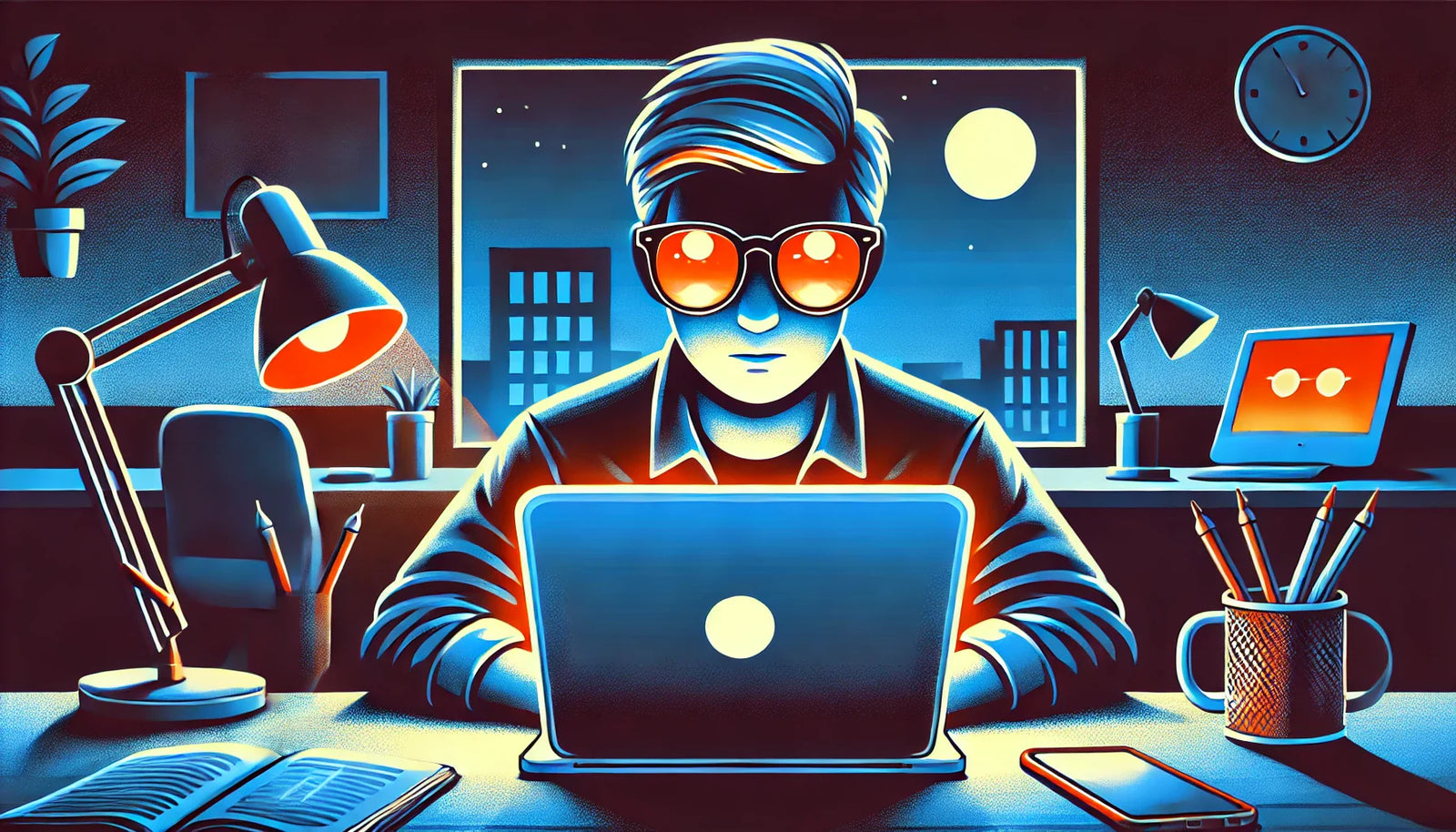

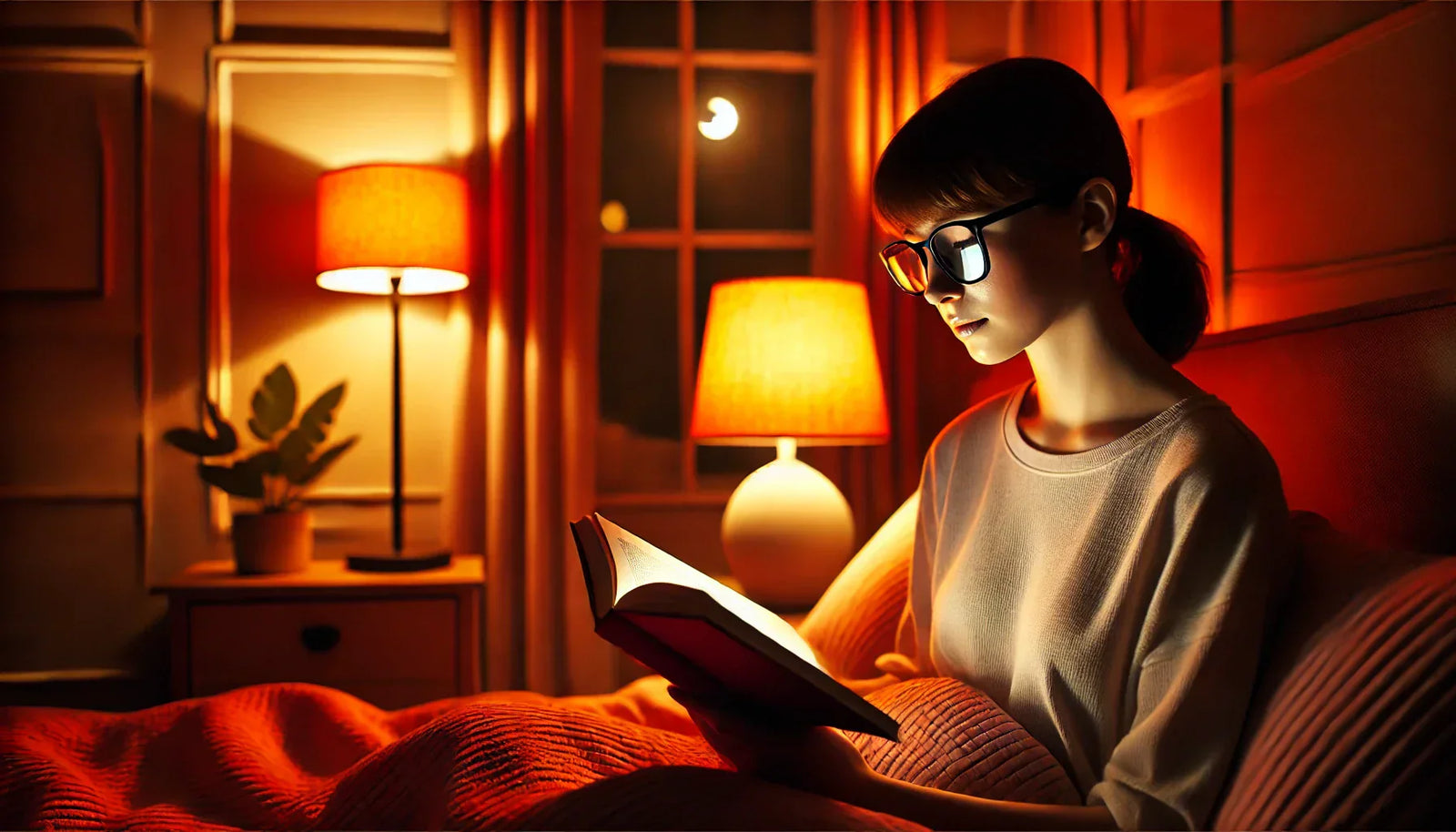

Blue light at night: the hidden enemy of your sleep and well-being
We live in a world where artificial light surrounds us at all hours. From cell phone and computer screens to LED lighting in our homes, exposure to blue light has become constant. However, when night falls, this light can become a silent enemy to our health.